Our rating
What we like
- Dog Allergy Test uses IgE multiplex serology — a recognized blood-based methodology
- Results from the IgE test arrive within 3–5 business days of the lab receiving the sample per brand
- Brand explicitly states IgE allergy test results should be interpreted with a vet
- Parasite & Worm Test detects Giardia and Cryptosporidium without a vet visit
- Grooming products (paw balm, ear wipes) use natural ingredients per brand
- Wide range of sensitivity items tested in the Ultimate kit (1,110+ items per brand)
Watch out for
- Bioresonance sensitivity tests are classified by the brand as Complementary and Alternative Medicine — not accepted as a diagnostic tool by mainstream veterinary bodies
- Hair-based sensitivity test methodology is not supported by peer-reviewed veterinary evidence
- No at-home test can replace a clinical diagnosis — a vet examination is required
- Medications (steroids, immunosuppressants) can suppress IgE levels and affect accuracy of the blood test per brand
- Food allergy results from IgE test are most useful when combined with a dietary elimination trial
What My Pet Sensitivity Sells
My Pet Sensitivity is an at-home testing brand for pets, primarily dogs, that covers three different categories: a blood-based IgE allergy test, hair-sample-based sensitivity kits using bioresonance technology, and a parasitology test for intestinal organisms. The brand also sells a small range of dog grooming products — paw balm, waterless shampoo, ear wipes, eye wipes, and skin cream. Understanding the distinction between the test types is the most important thing a buyer can do before ordering.
The brand operates in a space where consumer demand for at-home pet health insights has grown quickly, but where the scientific foundation of different methodologies varies widely. The two test types in the My Pet Sensitivity range are not equivalent in how they work or how their results should be used.
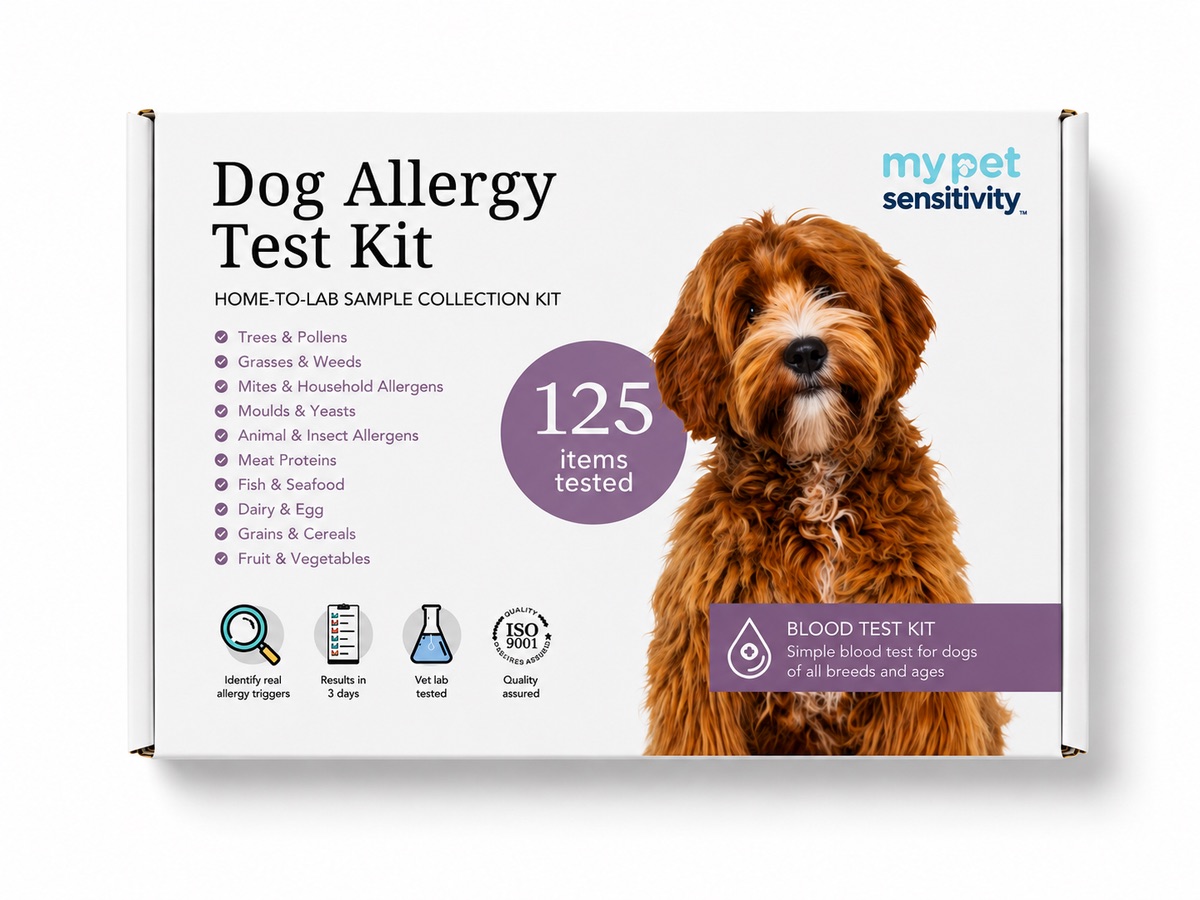
The Dog Allergy Test: A Blood-Based IgE Screen
The Dog Allergy Test is the most scientifically grounded product in the lineup. It uses IgE multiplex serology — a blood-based method that measures immunoglobulin E (IgE) antibodies, the specific antibodies produced by the immune system during an allergic reaction. The brand states this is “the same platform used in professional veterinary allergy investigations” and that results are scored against canine-specific clinical reference ranges.
The test covers up to 125 allergens: 64 environmental triggers (dust mites, pollens, molds, animal dander) and 61 food items. Results are classified on a 0–3 scale, from “not detected” to “high detection, strong allergic response,” and arrive within 3–5 business days of the lab receiving the sample per brand.
The brand includes an important caveat: “No allergy test can claim 100% sensitivity or specificity and results should always be interpreted in the context of your dog’s symptoms and history” with a vet. This is accurate and responsible disclosure. A blood IgE screen is a useful preliminary tool; it is not a substitute for a clinical diagnosis. Medications including steroids and immunosuppressants can also suppress IgE levels and affect accuracy.
The Sensitivity Kits: Bioresonance and Its Limits
The sensitivity kits — the Ultimate Pet Food Sensitivity Test and the Advanced Dog Sensitivity Test — use a different approach entirely: hair samples analyzed via bioresonance technology (the brand’s VIBA system). The brand itself classifies these as “Complementary and Alternative Medicine (CAM), which is a type of treatment that is not considered mainstream healthcare,” placing them alongside acupuncture and homeopathy in their own category descriptions.
This classification matters. Mainstream veterinary and scientific bodies do not recognize bioresonance hair analysis as a validated method for identifying food sensitivities or intolerances. Independent researchers studying at-home pet intolerance tests using hair samples have found no meaningful correlation between test results and clinically confirmed sensitivities.
The brand frames these kits as a starting point — a guide for an elimination diet, not a diagnosis. Used in that limited framing (as a complementary tool discussed with a vet, not as a decision-maker on its own), they carry less risk of harm than if buyers treated results as definitive. But anyone who acts on sensitivity kit results by removing major dietary categories without veterinary input could inadvertently create nutritional imbalances. Always discuss significant dietary changes with your vet.
If you’re looking for pet food guidance backed by stronger evidence, our best dog food roundup covers options from brands whose formulas have been through AAFCO feeding trials.
Parasite & Worm Test, and Grooming Products
The Parasite & Worm Test detects Giardia and Cryptosporidium from a home-collected stool sample. These are real parasites that affect dogs and cats, and early detection has practical value. A positive result should lead to a vet visit for treatment — the test identifies a possible problem, not a cure.
The grooming range includes Dog Paw Balm (shea butter and almond oil in a biodegradable tube), ear wipes (Aloe Vera, Witch Hazel), eye wipes, waterless shampoo, and skin soothing cream. These are straightforward grooming products with natural-ingredient positioning. The brand’s note that ear infections are the most common reason for vet visits in dogs makes the ear wipes a practically motivated add-on, especially for floppy-eared breeds.
Shipping, Returns & Considerations
My Pet Sensitivity ships test kits with prepaid return envelopes for the sample. Turnaround times vary by test: IgE allergy results in 5–7 business days; sensitivity kit results within 3–5 days of the lab receiving the sample per brand. Specific shipping and return policy details were not available on the pages reviewed for this article — check the current policy at checkout.
Is My Pet Sensitivity Worth It?
The Dog Allergy Test is a legitimate preliminary screening tool and is worth considering if you want a data point before a vet visit or want to help narrow down potential triggers. Interpret results with your veterinarian.
The bioresonance sensitivity kits are not diagnostics in the scientific sense. If you find them useful as a starting structure for an elimination discussion with your vet, they may have limited value as a complement to professional advice — but they should not replace it.
How We Researched This Review
Mike researched this article using the My Pet Sensitivity website (product pages, FAQ, about page) and the brand’s own published methodology and disclaimers. The classification of bioresonance technology is the brand’s own language from its website. Independent concerns about hair-analysis intolerance tests are noted based on general scientific literature on the subject. No products were purchased or used for this review.
My Pet Sensitivity Products Worth a Look
-
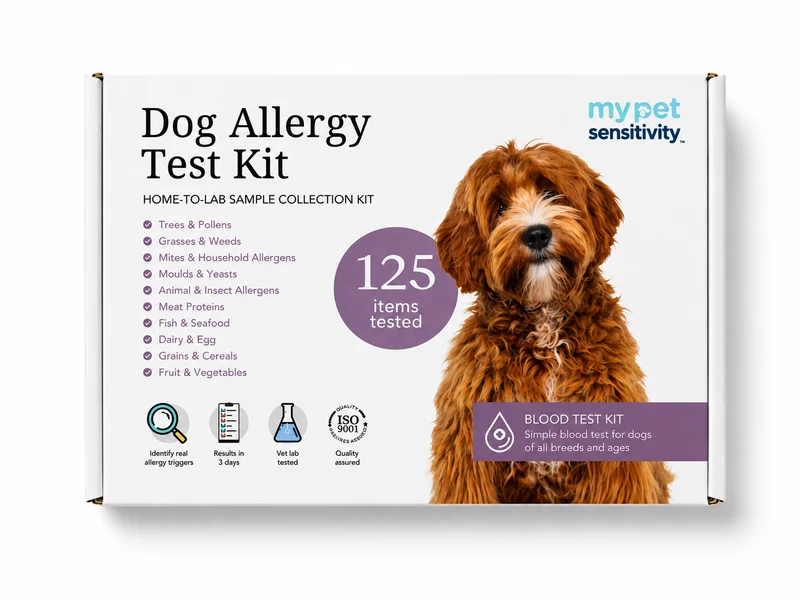
Dog Allergy Test
Blood-based test using IgE multiplex serology; screens up to 125 allergens across environmental triggers and food items, with results in 3–5 business days of the lab receiving the sample per brand. Brand states results should be interpreted with your vet.
-
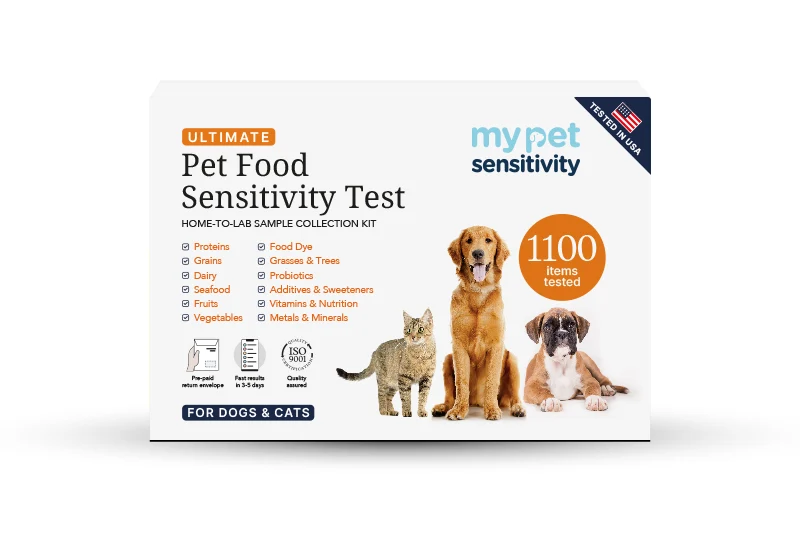
Ultimate Pet Food Sensitivity Test
Hair-sample-based test using bioresonance technology (VIBA system); tests up to 1,110 items per brand. The brand classifies this as Complementary and Alternative Medicine — not a clinical allergy test.
-
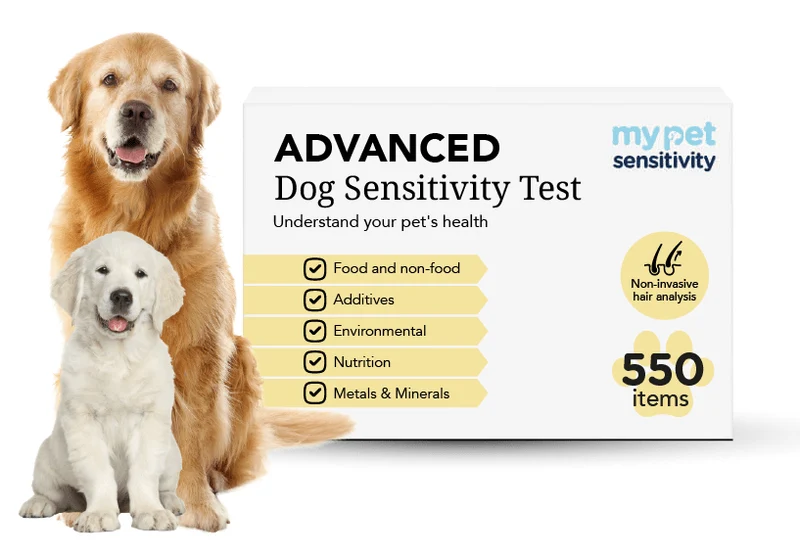
Advanced Dog Sensitivity Test
Hair-sample sensitivity screening covering 550 food ingredients; provides an elimination guide per brand. Uses the same bioresonance approach as the Ultimate kit.
-
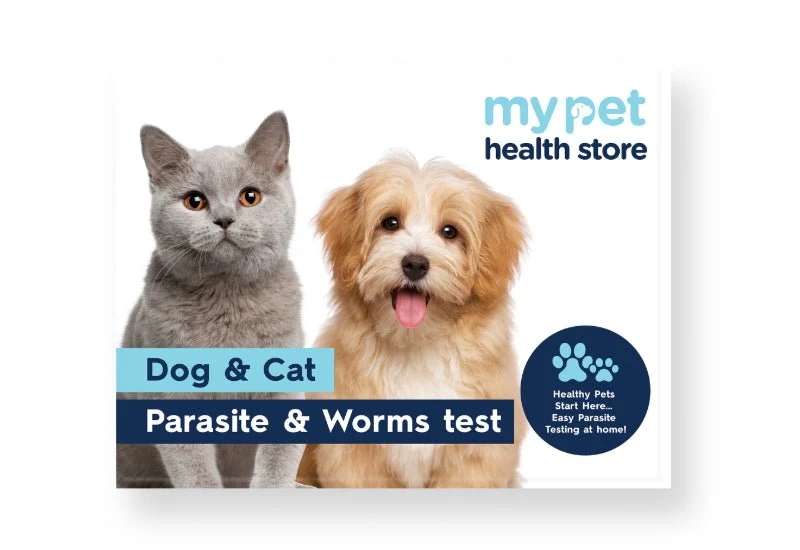
Parasite & Worm Test for Dogs & Cats
Detects common intestinal parasites including Giardia and Cryptosporidium from a home-collected sample; the brand describes it as a fast, at-home way to check for harmful organisms before they become serious.
-
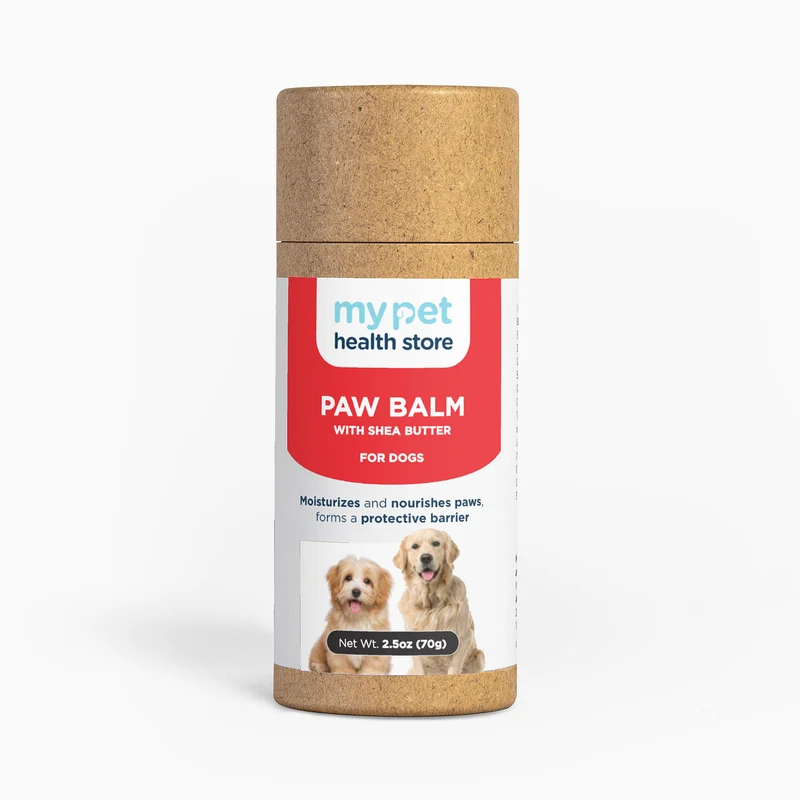
Dog Paw Balm
Natural-ingredient balm with shea butter and almond oil for dry or cracked paw pads; delivered in a biodegradable push-up tube per brand.
-
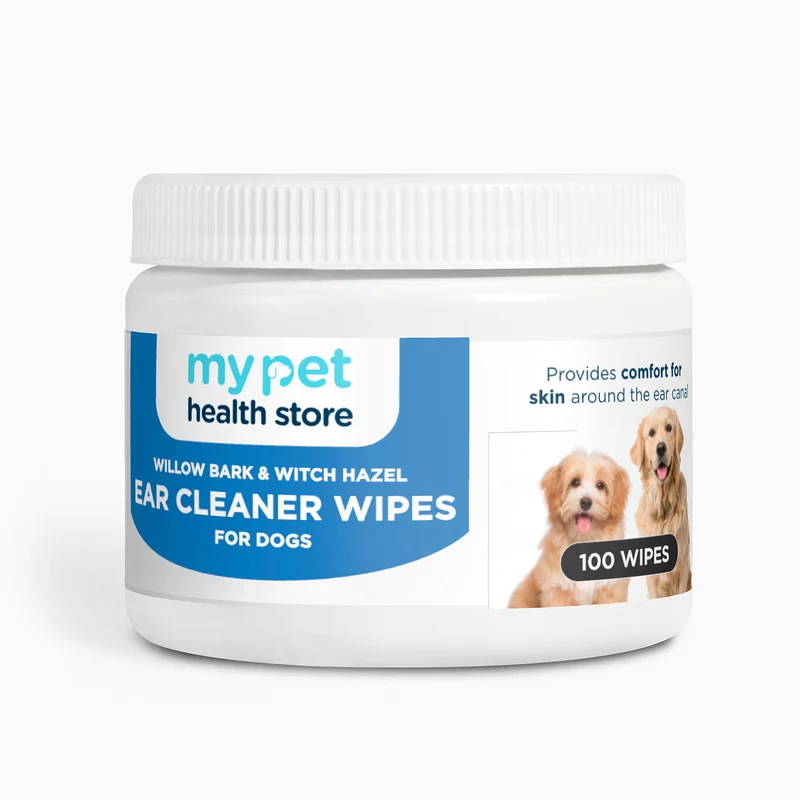
Dog Ear Cleaner Wipes
Pre-moistened wipes with Aloe Vera and Witch Hazel for routine ear cleaning; the brand notes ear infections are the most common reason for vet visits in dogs.